
DISCOVER THE HAVELI OF TALES
DISCOVER THE HAVELI OF TALES
Diwali is India’s most celebrated festival, the season of togetherness for families and close friends.
Celebrations begin 15 days before Diwali, lasting close to a month, stretching from late October to November.
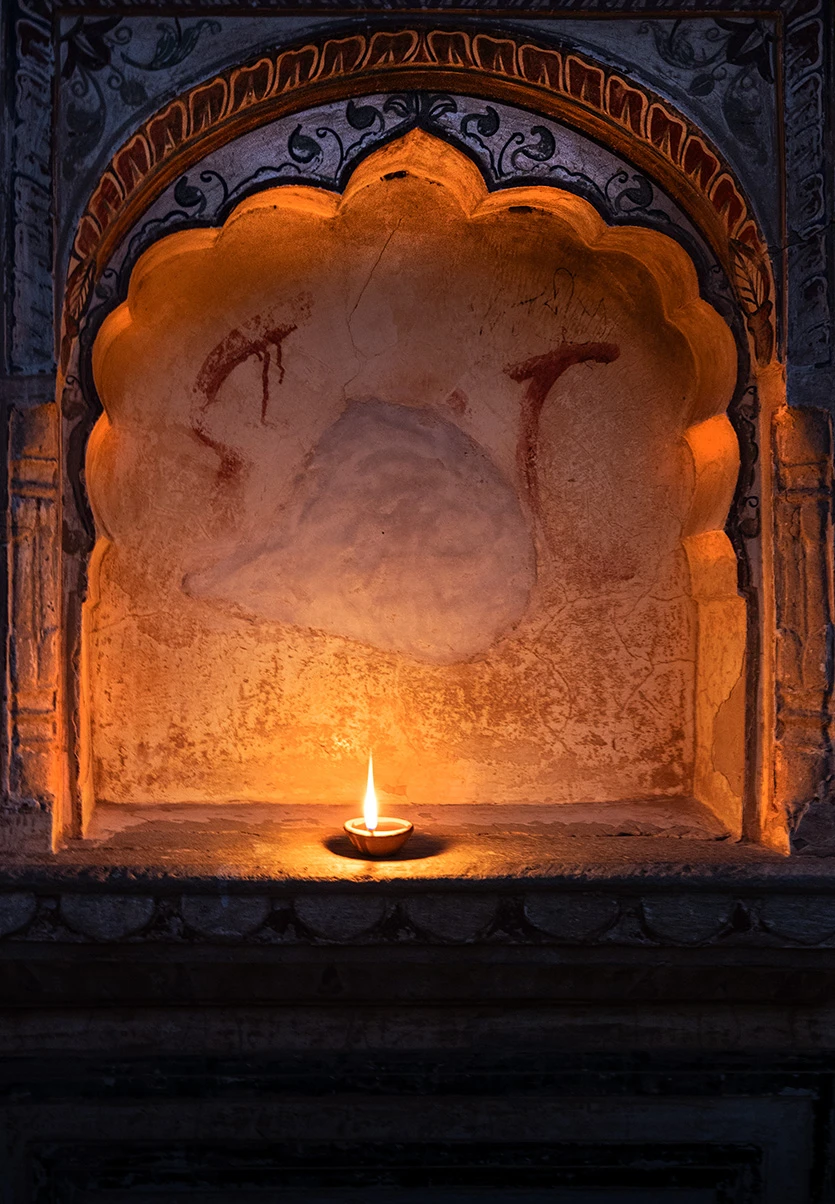
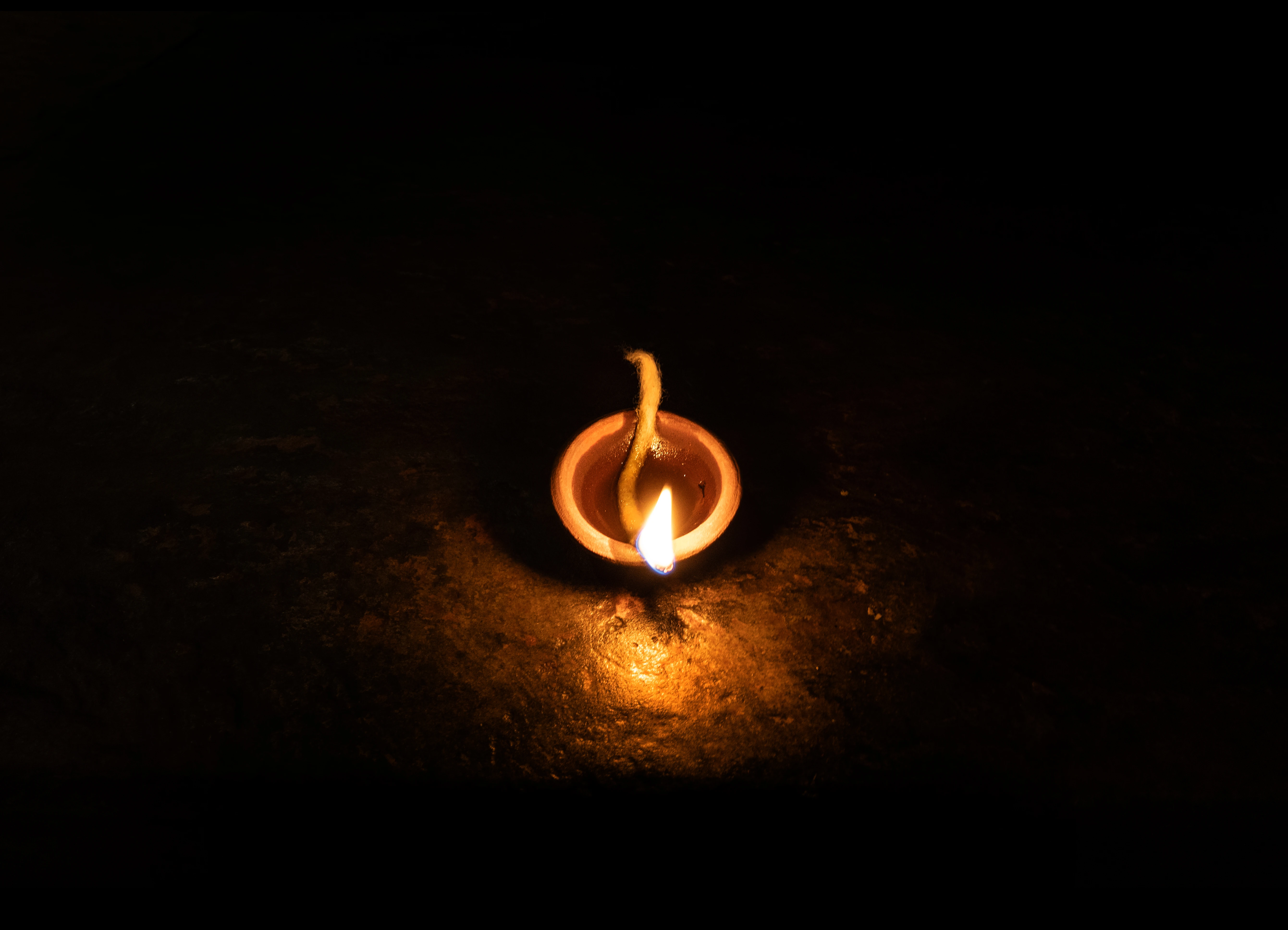
Known as the Festival of Lights, clay lamps are lit throughout the country symbolizing the return of Lord Rama and dedicated to Lakshmi, the goddess of wealth and prosperity.
Five important dates during the Diwali season are the days of Dhanteras, Roop Chaturdashi, the main Diwali night, the noon of Annakut and Bharat Dooj.
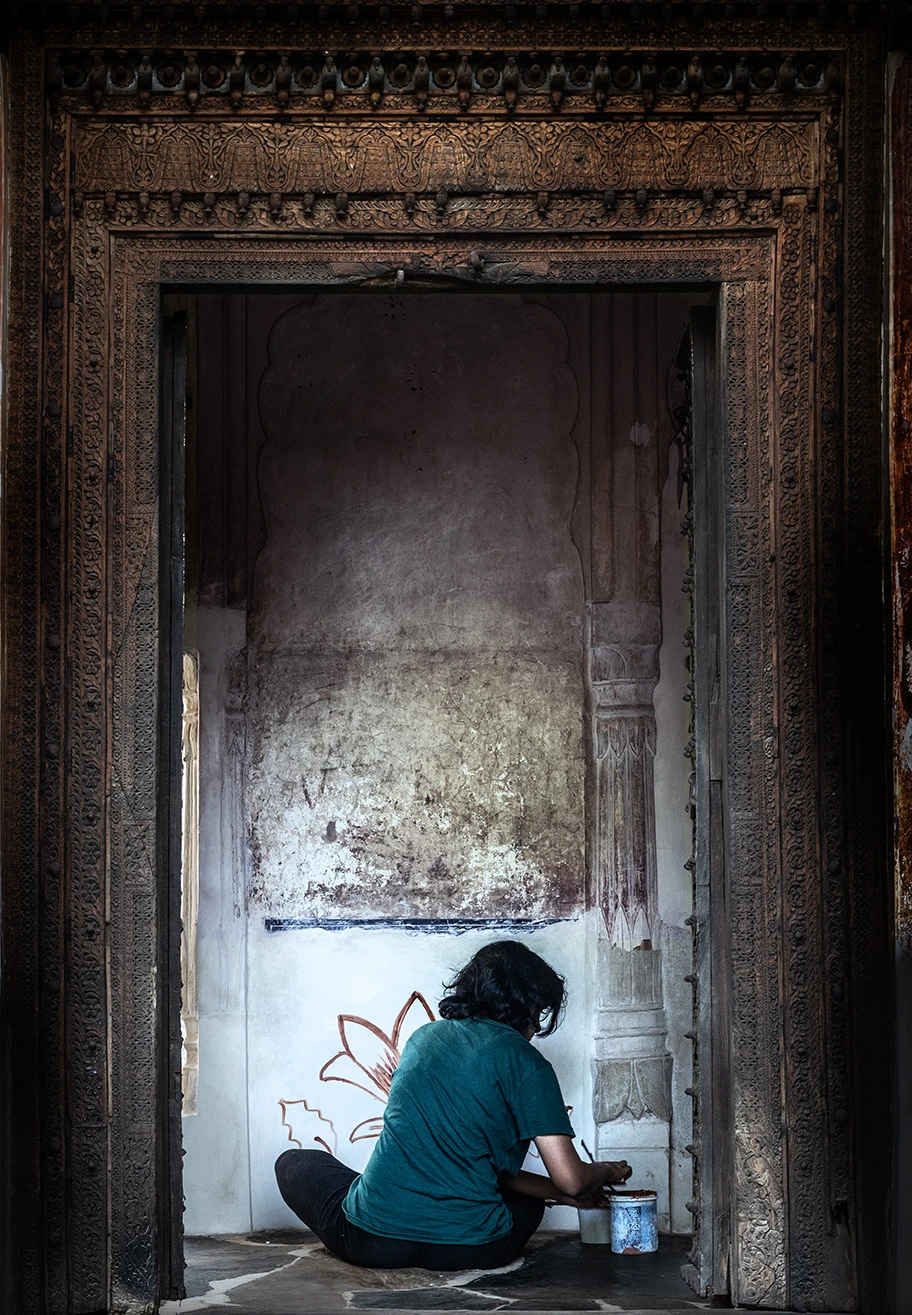
All of these days are celebrated authentically at Mukunda Haveli, preserving the traditional rituals passed down through generations. Diwali is meant to be a festival celebrated at home and Mukunda is a home to many. Scrubbed and polished, the haveli is transformed into a fitting abode for the Gods. It is decorated with endless garlands of marigolds, bundles of sugarcane and chalk motifs are drawn on the floor for auspicious purity
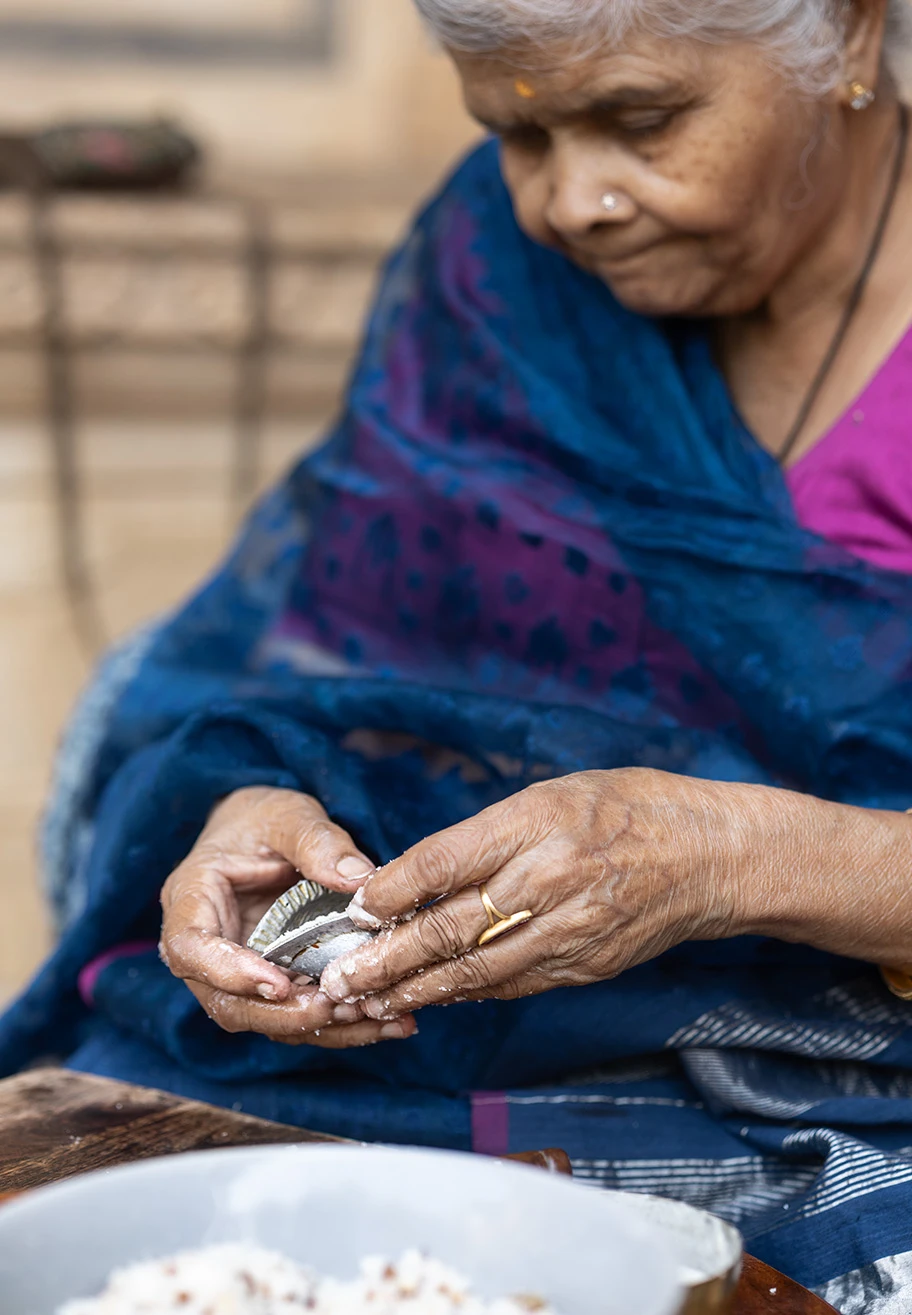
An important part of Diwali is pleasing Mahalaxmi with sweets, succulents and silks and celebrating Lord Rama’s return with a plethora of oil lamps glowing throughout the night.
Everyone is dressed in the traditional Diwali colors of black or blue, showered with jewels and perfumes to honor the beautiful ceremonies of Diwali. Guests are treated like family members and are actively involved in all the many preparations leading up to the anticipated night of gift giving and fireworks.
The word Diwali means perfection. It is the art of perfect timing and a unified societal belief in the beauty of prosperity. It makes the idea of prosperity and fulfillment recognizable and attainable to each individual through the simple acts of trade and transactions.
It allows everyone to ask for prosperity through the offering of their services, in a mutually beneficial exchange.
Diwali is a reminder that societies should always collectively aspire to reach higher, as enlightenment and participatory prosperity are closely aligned. Indian society can most easily recognize the beauty of this transactional interdependence during the season of Diwali, when it is at its most heightened.
As winter passes and trees shake away the last remnants of early frost, India begins to welcome the warm scent of Spring and its most exuberant color, yellow. Farms and markets are suddenly decked and overflowing with yellow flowers.
This palpable emergence of Spring begins in Bengal and slowly spreads throughout India to welcome the festival of Holi, the biggest holiday of the season. It all begins with yellow but inevitably ends in a riot of colours.
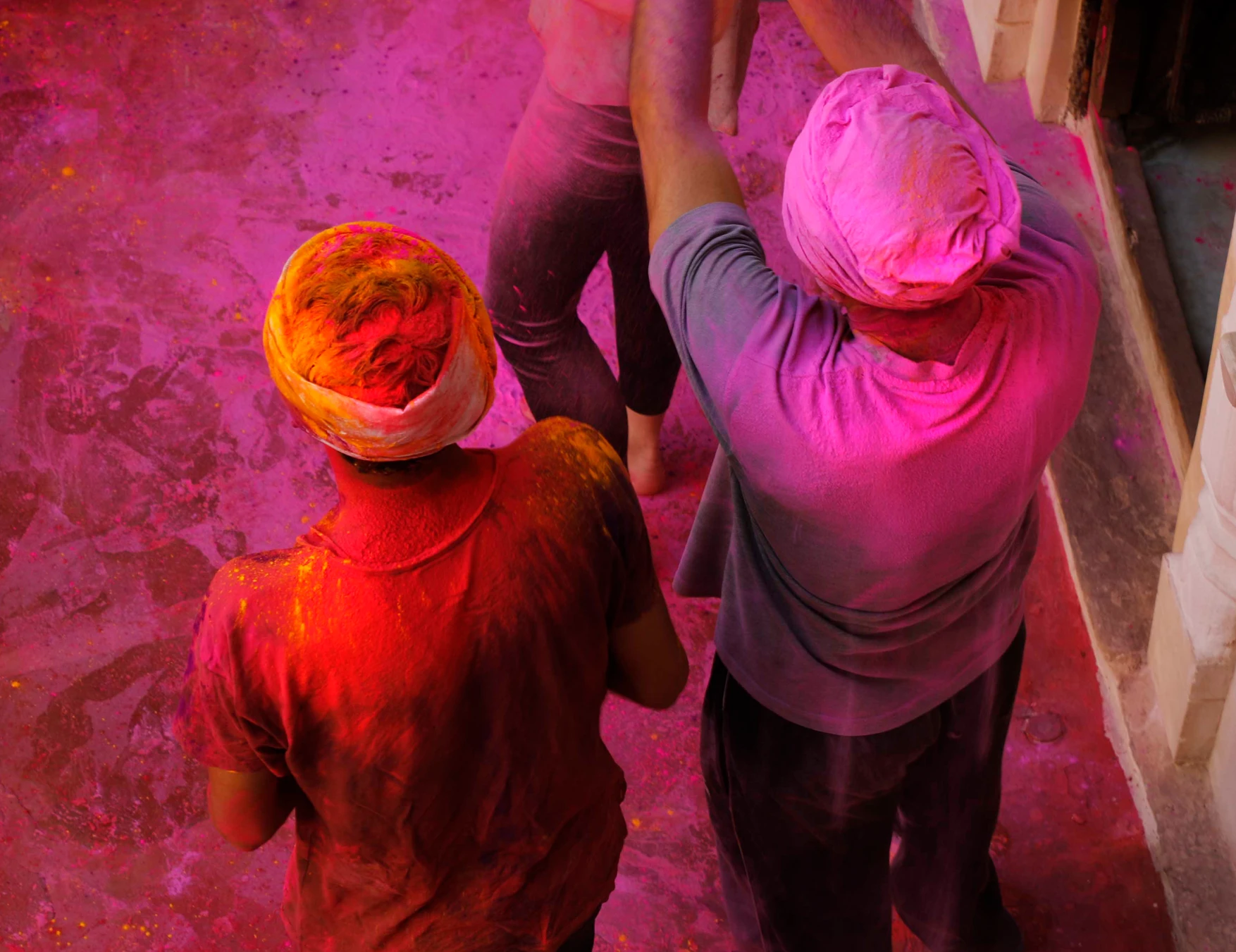
And it is precisely the joyful play of colour that defines the celebration of Holi, as people come together creating a festive atmosphere everywhere. On the main day of Holi, life becomes an explosion of colour, as people gleefully toss coloured powders (gulal) into the air and at each other.
The celebration of Holi is so well entrenched in Indian culture that it is intrinsic to temples, streets, community parks, private events, villages, tribes and every possible human gathering in all of India. The fascination for colour is as intense, as the way it is worn, extending far beyond appearance. Colour (Rang) represents emotion and the desire to be assimilated with the divine.
Colours help melt the differences and dualities between individuals or between the creator and self
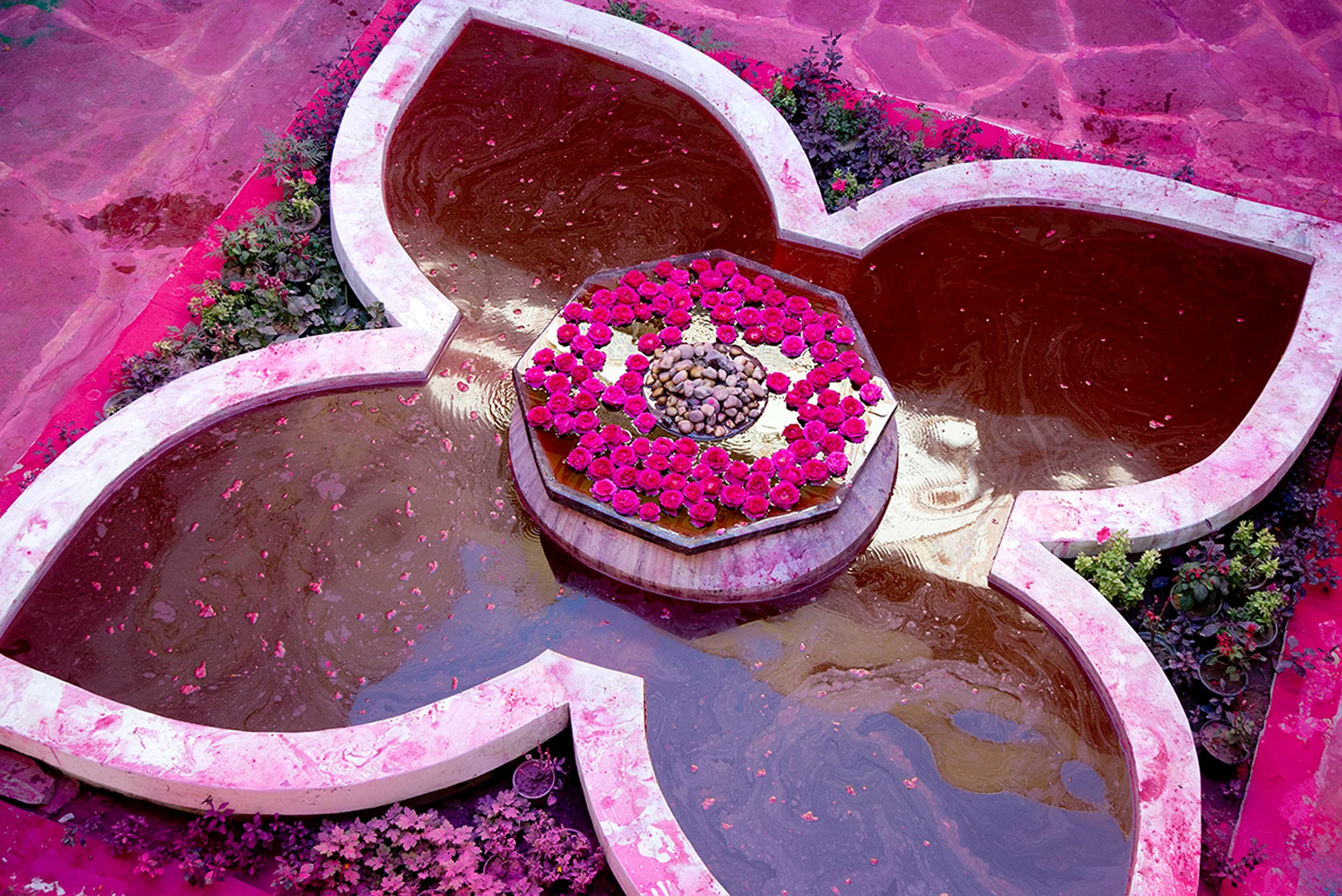
Holi finds explicit and soulful expressions in the works of poets, singers, wanderers and mystics, even Sufi saints. It is especially interesting to visit Krishna Temples at this time, as Krishna is integral to the very idea of Holi. There is absolute madness in temple courtyards, as people by the hundreds, are eager to witness and participate in the festivities. And it is impossible not to be impressed by the joy of dignified surrender to the divine, in this completely un-orchestrated scene of countless participants.
At Mukunda, we begin the celebration of Holi days in advance. Trips are taken to local temples, farms are visited to observe harvesting, and preparations for very Holi specific delicacies begin from the garden or market.
It’s also the time to join in the music. Time for people to dance in the open. Shekawati, the region where the Haveli is located, is famous for Geendad, a circling group dance that happens to the beat of drums and the sweet sounds of the flute.
We often fill the courtyard of the haveli with stage performances of local folk singers and classical musicians during this time.
Elaborate cooking sessions also happen daily throughout Holi. Rare delicacies involving ingredients like dessicated coconut, fennel seeds, fresh raw mangoes, rose petals, gulgand, kewra, mishri, chironji and makhana are made every day.
If you join us for Holi, be sure to bring your dancing shoes, some throwaway clothes and prepare to see yourself covered from head to toe with colour.